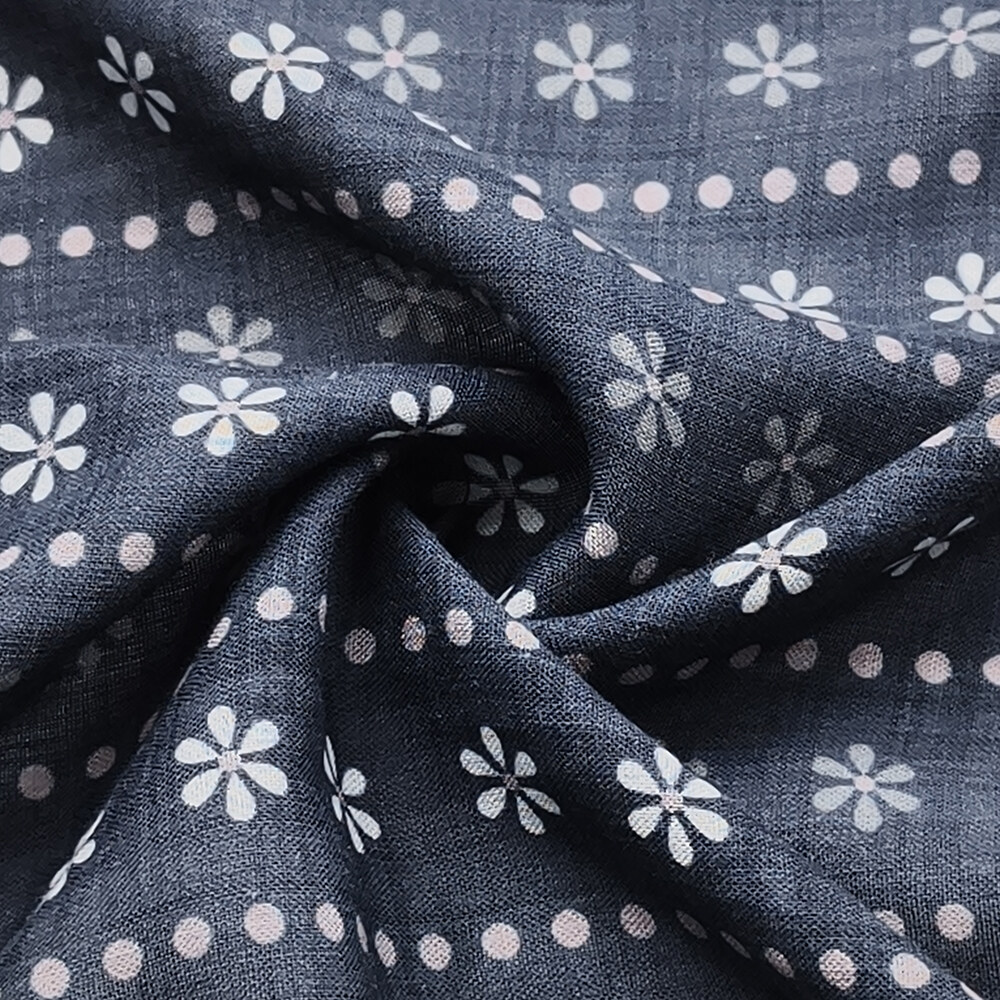
According to the China Textile Engineering Survey & Design Association, in 2026 four water-reduction and water-substitution routes have simultaneously moved beyond the demonstration phase and into the mass production horizon: supercritical CO2 water-free dyeing, digital inkjet printing, low liquor-ratio and cold-transfer dyeing, and bio-based dye substitution. The report provides selection criteria corresponding to different fabric structures and order types.
At the policy level, local governments are accelerating the transformation of the dyeing and printing industry toward high-end, intelligent and green development. The Xinjiang Production and Construction Corps has set clear targets in its work plan: to raise the water reuse rate of the dyeing industry to over 45%, ensure core indicators such as fresh water intake and comprehensive energy consumption per unit product meet national standards, and cultivate 1-2 national-level 'green factories'.
Driven by green and low-carbon goals and digitalization, the dyeing and printing industry is shifting from 'high water consumption and emissions' to 'water-free and intelligent' operations, with water- and energy-saving dyeing technologies set to spread first among large-scale producers. (Source: China Textile Engineering Survey & Design Association)
Tel:+86-564-5338899
Fax:+86-564-5338899
Phone:+86-13665541055
Email:cyhnbc@163.com
Add:No.31 Yuanlin Road, Jin'an District, Lu'an City, Anhui, China
 简体中文

 English